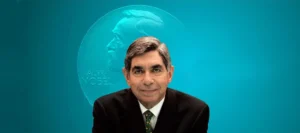
Recordamos para seguir haciendo posible una vida mejor
Oscar Arias Sánchez
XXXV Aniversario
Premio Nobel de la Paz
Asamblea Legislativa,
San José, Costa Rica
8 diciembre 2022
Amigas y amigos:
Una gran parte de mi vida dedicada a la búsqueda de la paz me ha enseñado que, en realidad, no hay en ella nada de ilusorio, ni de ingenuamente idealista. La paz no es un sueño, sino una ardua tarea que no se asume por ser fácil, sino por ser necesaria. La paz no es el producto espontáneo de ciertas almas iluminadas, sino el laborioso trabajo de seres imperfectos que luchan cada día por aprender el arte del diálogo, de la persuasión y del respeto. La paz no nace, se hace. Al igual que la libertad, es una conquista. No se recibe como una medalla, sino que se aprende como una disciplina.
Las lecciones de nuestra historia, con las experiencias que nos han enseñado, nos muestran que no se llega a la paz ni por las armas ni por la guerra, ni por la muerte ni por el odio, ni por el olvido ni por la indiferencia. Se llega a la paz poniendo al ser humano en el centro de nuestras preocupaciones. Se llega a la paz defendiendo la vida. Se llega a la paz invirtiendo en nuestros pueblos y no en nuestros ejércitos; intercambiando ideas y no armas; conservando bosques y no prejuicios. Se llega a ella cambiando la cultura de la guerra por una cultura de paz en nuestras sociedades. Aunque podría parecer una quimera, espero que llegue el día en que podamos coincidir con Gandhi, quien nos dijo: “No hay camino hacia la paz; la paz es el camino”. Pero no estamos ahí.
El arte de vivir en sociedad es sencillo, pero eso no quiere decir que sea fácil. Por el contrario, requiere de un tipo de valentía diferente a la de los soldados en el campo de batalla. No hablo del valor para tomar las armas, sino para abandonarlas, del valor para escoger el duro camino de la tolerancia y no el vertiginoso descenso a la violencia, del valor para cambiar la retórica combativa, la retórica de los enemigos y de las victorias por la mesurada retórica del diálogo y de los acuerdos. Hablo de cambiar una cultura de guerra por una de paz.
Un título universitario no garantiza per se una escala de valores éticos. Hay en los anales de la humanidad demasiados actos de barbarie ejecutados por personas cultas y con sobrados atestados académicos. Hay demasiados ejemplos de líderes que no usaron su educación más que para sembrar odio y división. ¿De qué le sirve al mundo forjar letrados, si esos letrados no comprenden el valor de una vida? ¿De qué le sirve al mundo formar catedráticos, si esos catedráticos consideran que no hay nada censurable en una invasión militar ilegal? ¿De qué le sirve al mundo educar jóvenes, si a esos jóvenes les da lo mismo que mueran decenas de personas cada día en la más cruenta, la más absurda, la más aberrante de las violaciones a los derechos humanos: el enfrentamiento armado? ¿De qué le sirve al mundo graduar estudiantes si a estos estudiantes no les importa que por primera vez en la historia de la humanidad, en 2021, el gasto militar mundial haya excedido los 2.1 billones de dólares (trillones en inglés), un 0.7% más que en 2020 y un 12% más que hace 10 años? Estados Unidos y China dan cuenta de más de la mitad del gasto registrado, pero en promedio los países destinaron casi un 6% de su gasto gubernamental a las armas. Para ponerlo en perspectiva, esto representa casi 12 veces más que todo el monto destinado a la ayuda al desarrollo, a pesar de los récords alcanzados en este rubro durante la pandemia. Estas cifras no contabilizan aún la invasión rusa a Ucrania, que ha servido como escenario para un tremendo despliegue del complejo militar industrial. Bajo ninguna circunstancia condono las atrocidades cometidas por el ejército ruso, ni abogo por una ilusa política de appeasement hacia el despótico régimen de Vladimir Putin. Pero sí objeto la idea de que la única vía sea continuar enviando artillería y municiones, hasta que solo quede el último ucraniano capaz de dispararlas.
Dos punto uno billones de dólares es el costo de la guerra. Pero ¿qué pasaría si gastáramos esos recursos de otra manera? ¿Qué pasaría si convirtiéramos los costos de la guerra en dividendos de la paz? Si redujeran su gasto militar en un 5%, sería suficiente para otorgar becas estudiantiles a 3 millones de jóvenes durante un año. Si dejaran de comprar un solo helicóptero artillado darían alimento escolar a miles de niños durante toda la primaria. Si dejaran de comprar un solo avión de combate podrían proteger decenas de kilómetros cuadrados de bosque. Y si dejaran de pagar el salario de uno solo de sus soldados podrían pagar el salario de al menos un profesor de inglés.
Si algún día queremos que el dinero de nuestros impuestos lo destinen los gobiernos a satisfacer las necesidades más básicas de nuestros pueblos, entonces necesitamos una educación con un norte ético, una educación orientada a preservar la vida como el valor principal de la especie humana. No podemos seguir educando a nuestros jóvenes como nosotros fuimos educados. No podemos permitir que la educación sea un sencillo compendio de datos sin valores morales, una transmisión de ideas sin emociones. No podemos permitir que eduquemos eruditos y no sabios. Que formemos eminencias académicas y no seres humanos. Necesitamos introducir en el currículo académico una asignación para cambiar la cultura de guerra por la de paz.
Transformar una cultura de guerra en una de paz requiere de un esfuerzo colectivo, de una educación masiva en la que todos somos profesores, desde los gobernantes hasta los padres de familia. No podemos formar las generaciones que sostendrán la paz duradera si no formamos hombres y mujeres amantes de la paz. En el mundo que los jóvenes de hoy heredarán, la cooperación entre las naciones y entre los individuos será un requisito para la supervivencia. Por eso debemos formar seres humanos que entiendan la paz como la máxima expresión de convivencia: no como la concesión de los débiles, sino como el logro último de los valientes. En lugar de admirar el diseño de un avión de caza, deberíamos enseñarles a admirar las condiciones de un acuerdo para silenciar las armas. En lugar de celebrar las estrategias militares, deberíamos enseñarles técnicas de negociación. Creo que a estas alturas es obvio que no necesitamos más soldados, sino más emprendedores. No necesitamos más guerreros, sino mejores ciudadanos. Si fallamos en transmitirle a los jóvenes la elemental preocupación por la paz, nuestra educación habrá fracasado como instrumento de cambio. Si hacemos de la paz una asignación extracurricular, acabará por ser una actitud extracurricular, una rareza de los bohemios y los soñadores.
Este es un aniversario para recordar, porque el recuerdo es el mejor alimento de los pueblos orgullosos de su herencia. Recordemos siempre y nunca olvidemos. Recordemos que no podemos repetir los errores del pasado y que debemos aprender de ellos. Como todo gran acontecimiento en nuestras vidas o en nuestra historia compartida, a veces parece como si todo lo sucedido hubiera acontecido ayer, y a veces parece como si hubiera sucedido hace una eternidad. En cualquiera de los dos casos, que el ser humano albergue la prodigiosa virtud de la memoria es mucho más que un capricho poético de la historia. Es un signo evolutivo y quizás una de las más cruciales habilidades de la especie que abandonó el cobijo de las cavernas, para emprender el portento de la civilización. No recordamos para llenar los cajones de los archivos, ni para poblar los cuentos de los abuelos. Recordamos para seguir haciendo posible una vida mejor. Es decir, que la memoria tiene incidencia sobre la actualidad: nos da una ventaja sobre el tiempo anterior. El recuerdo no es escribano del pasado, sino edecán del porvenir. Bien decía Marco Aurelio en sus Meditaciones que “el tiempo es un río”. Y aunque en ocasiones pretendemos ver el río desde la ribera, lo cierto es que nosotros vamos también navegando y no somos testigos, sino protagonistas de los eventos de nuestra época. El “río” de Marco Aurelio no es otra cosa que nuestra propia conciencia histórica.
Debemos recordar que hace 35 años vivíamos una época de enfrentamientos descarnados, en donde las grandes potencias jugaban a los dados con el destino de nuestros pueblos. Centroamérica era un inmenso campo de batalla. Cientos de miles de hermanos habían muerto al filo de insurrecciones y absurdas guerras civiles. La locura belicista es una venda en los ojos que impide ver cualquier otra solución o salida. Centroamérica tuvo que enfrentar esa misma locura hace 35 años, en circunstancias que evocan algunos de los mismos dilemas. Entonces, como ahora, varios países servían de peones en el ajedrez global. Entonces, como ahora, las grandes potencias peleaban guerras a través de intermediarios más allá de sus fronteras. Ellos ponían las armas, nosotros poníamos los muertos. Es cierto que las guerras centroamericanas fueron guerras civiles, pero hay que ser muy ignorante o ingenuo para calificarlas como conflictos meramente internos: si una cosa estaba clara en los inmensos flujos militares y financieros que los Estados Unidos y la Unión Soviética enviaban mes a mes a la región, era que aquello tenía muy poco que ver con Nicaragua, con Honduras, con El Salvador o con Guatemala.
La demencia belicista fue una de las peores enemigas del Plan de Paz que negociamos las repúblicas centroamericanas. Incluso aquí, en Costa Rica, las élites económicas y los medios de comunicación se alineaban con los Estados Unidos y abogaban por una escalada militar. En la negociación de la paz me impulsó siempre la convicción de que, si no lográbamos una salida política, tarde o temprano Costa Rica sería arrastrada en la vorágine.
Cuando firmamos el Plan de Paz no celebramos la victoria de un país sobre otro, o de un grupo armado sobre otro. No celebramos el aniquilamiento del enemigo, ni la destrucción del contrincante. No celebramos el triunfo sobre el campo de batalla, porque en Centroamérica nadie ganó la guerra. Le ganamos a la guerra, que es distinto. A ese “monstruo grande que pisa fuerte”, en palabras de León Gieco. Centroamérica le ganó a la muerte, y eso es algo que no podemos dejar de recordar y de celebrar.
Los presidentes centroamericanos nos atrevimos a firmar un documento que aspiraba a encontrar una salida diplomática: una solución centroamericana para resolver los problemas de los centroamericanos. En 1987 nosotros fuimos los protagonistas de los eventos de nuestra época, y la firma del Plan de Paz en Ciudad de Guatemala cambió la historia de Centroamérica, y también cambió mi vida para siempre. Ese mismo año, en medio de la alegría del milagro que nacía en la región, recibí la noticia de que se me había honrado con el Premio Nobel de la Paz.
Aún después de la firma del acuerdo, hubo quienes buscaron cualquier excusa para declarar su derrota. Voces insidiosas se alzaron vaticinando el inminente fracaso del Plan de Paz. Pero fue el Comité Nobel el que le dio un apoyo decisivo a la causa de la paz en Centroamérica. Se negó a perder la esperanza y salió a defender nuestros esfuerzos y a respaldar nuestros sueños.
El Premio Nobel de la Paz ha sido otorgado a hombres y mujeres de muy distintas ideologías, pero unidos sin claudicaciones por el ideal común de la paz. Andréi Sájarov y Albert Schweitzer, Lech Walesa y Willy Brandt, Alva Myrdal y Betty Williams, Le Duc Tho y Ralph Bunche, Rigoberta Menchú y la Madre Teresa de Calcuta, si bien poseen distintas ideologías políticas, fueron todos laureados por sus contribuciones a la paz.
Cuando recibí la noticia de haber sido seleccionado para el Premio Nobel de la Paz de 1987 no podía creerlo. Lo que yo no sabía era que en Gotemburgo el Profesor Lars Hanson, el señor Bjorn Mollin y la señora Segerstedt Wiberg me habían nominado para el Premio Nobel de la Paz. Guardo mi imperecedero sentimiento de gratitud hacia ellos.
Recibir un Premio Nobel de la Paz es una extraña encomienda: un galardón que, con mucha frecuencia, implica la responsabilidad de nadar contra corriente. Los demás Premios Nobel —el de Física, el de Química, el de Medicina, el de Economía y hasta el de Literatura— se otorgan por la contribución de una persona a una causa que registra un progreso más o menos lineal. Pero la construcción de la paz nunca ha sido lineal. La construcción de la paz es quizás la tarea más obstruida, más subvertida, más amenazada de todas las que ha emprendido el ser humano desde sus orígenes.
Como especie, hemos abrazado la importancia de entender las leyes que rigen el universo y las partículas subatómicas; de prevenir las enfermedades y elevar la calidad de vida de nuestros pueblos; de explicar nuestras interacciones económicas y el comportamiento de los mercados; de reconocer el lirismo de un soneto o la cadencia de una estrofa; pero seguimos siendo incapaces de mantener un compromiso incondicional e irreversible con la paz. Seguimos siendo inciertos y tibios cuando se trata de encontrar salidas distintas a la violencia para zanjar nuestros conflictos. A pesar de los increíbles logros que ha alcanzado la humanidad, continuamos sin abandonar el más primitivo y salvaje de nuestros instintos: el de agredir y matar. Son muchos lo que agreden o matan, ayer con la espada, hoy con un arma; otros agreden o matan difamando primero y extorsionando después, dañando el honor de la víctima de su perversa animadversión.
Me conmueve celebrar el 35 aniversario de haber recibido el Premio Nobel de la Paz. Me conmueve recordar aquellos años de lucha por acallar el estruendo de la guerra en Centroamérica, aquel concierto fantasmal que mezclaba el sonido del llanto con las balas. Me conmueve saber que han transcurrido 35 años desde aquel momento en el que firmamos nuestro Plan de Paz.
Amigas y amigos:
Si nosotros no tomamos la pluma, si no empuñamos el grafito, perderemos aún más páginas en garabatos violentos, en el galimatías inescrutable de la guerra, del odio y del enfrentamiento que ha llenado ya demasiados tomos en la historia de nuestros pueblos. Pero si cambiamos una cultura de guerra por una de paz podremos empezar un nuevo capítulo en la epopeya de la humanidad: uno que, como las epopeyas antiguas, no lo escribirá un único autor, sino muchos. Cada canción de paz determina el final de esta historia. Si todos ponemos de nuestra parte; si cada gobierno asume con seriedad las verdaderas necesidades de la humanidad; si cambiamos los paradigmas de la violencia que han gobernado la historia universal, entonces concluiremos con una gloriosa victoria. La victoria de la tolerancia sobre el dogma, la victoria de la convivencia sobre la violencia, la victoria de la paz en nuestros tiempos.
Quiero expresar mi profundo agradecimiento al Movimiento Cooperativo por hacer posible este acto y a todos ustedes por acompañarnos esta noche. Reconocimientos como el de hoy son los que fortalecen los vínculos que nos unen como sociedad, al tiempo que nos permiten celebrar las virtudes y los dones más hermosos que cada uno de nosotros atesoramos. Este Quijote, que tuvo un día la osadía de pelear sin yelmos ni armaduras por la paz de Centroamérica, quiere decirle a los nuevos quijotes que el camino de la paz puede ser largo, tortuoso, incierto, pero es el único camino posible lejos del borde del precipicio. Somos todavía como Adán y Eva en un Paraíso sideral, minutos antes de ser expulsados por nuestra propia soberbia. Depende de nuestra responsabilidad, de nuestra humildad y de nuestra valentía, que no perdamos la oportunidad sobre la Tierra, que no dilapidemos el prodigio de esta vida que nos ha traído angustias y dolores, pero que también nos ha permitido vivir la felicidad. El más grande poeta costarricense, Jorge Debravo, dijo que la esperanza es de hueso, más poderosa que la imaginación y que el recuerdo. Que esa esperanza, que existe todavía, nos infunda aliento para tomar el relevo de las generaciones pasadas y lanzar a la humanidad hacia las vastas comarcas del porvenir.
Yo, que nunca me he dado por vencido y que no pienso abandonar la lucha por la paz, pido a Dios fe, para continuar creyendo en el insondable pozo del alma humana; persuasión, para convencer a quienes creen erróneamente que todo conflicto debe solucionarse mediante las armas; y fortaleza, para no bajar los brazos, para no perder el aliento, para nunca arriar las velas en la larga travesía que nos permitirá construir un mundo a la altura de nuestros sueños.
Muchas gracias.

We remenber to continue making a better life possible
Oscar Arias Sánchez
XXXV Anniversary Nobel Peace Prize
Legislative Assembly
San José, Costa Rica
8 December 2022
My friends:
A large part of my life dedicated to the search for peace has taught me that, in reality, there is nothing illusory or naively idealistic about it. Peace is not a dream, but an arduous task that is not undertaken because it is easy, but because it is necessary. Peace is not the spontaneous product of certain enlightened souls, but the laborious work of imperfect beings who struggle every day to learn the art of dialogue, persuasion and respect. Peace is not born, it is made. Like freedom, it is a conquest. It is not received as a medal, but learned as a discipline.
The lessons of our history, with the experiences they have taught us, show us that peace is achieved neither by weapons nor by war, neither by death nor by hatred, neither by forgetting nor by indifference. Peace is achieved by placing the human being at the centre of our concerns. Peace is achieved by defending life. Peace is achieved by investing in our peoples and not in our armies; by exchanging ideas and not weapons; by preserving forests and not prejudices. It is achieved by changing the culture of war to a culture of peace in our societies. While it may seem like a pipe dream, I look forward to the day when we can agree with Gandhi, who told us: «There is no way to peace; peace is the way». But we are not there.
The art of living in society is simple, but that does not mean it is easy. On the contrary, it requires a different kind of courage than that of soldiers on the battlefield. I am not talking about the courage to take up arms, but to lay them down, the courage to choose the hard road of tolerance and not the dizzying descent into violence, the courage to change the rhetoric of combat, the rhetoric of enemies and victories for the measured rhetoric of dialogue and agreements. I am talking about changing a culture of war for a culture of peace.
A university degree does not per se guarantee a scale of ethical values. There are in the annals of humanity too many acts of barbarism carried out by educated people with ample academic credentials. There are too many examples of leaders who used their education only to sow hatred and division. What good is it to the world to educate educated people, if those educated people do not understand the value of a life? What good is it to the world to educate professors, if those professors consider that there is nothing reprehensible in an illegal military invasion? What good is it to the world to educate young people, if those young people do not care that dozens of people die every day in the cruellest, the most absurd, the most abhorrent of human rights violations: armed confrontation? What good is it to the world to graduate students if those students do not care that for the first time in human history, in 2021, global military spending will have exceeded 2.1 trillion dollars, 0.7% more than in 2020 and 12% more than 10 years ago? The United States and China account for more than half of the recorded spending, but on average countries spent almost 6% of their government spending on arms. To put this into perspective, this is almost 12 times more than the entire amount spent on development aid, despite record levels of development aid during the pandemic. These figures do not yet account for Russia’s invasion of Ukraine, which has served as the backdrop for a tremendous deployment of the military industrial complex. Under no circumstances do I condone the atrocities committed by the Russian military, nor do I advocate an illusory policy of appeasement towards Vladimir Putin’s despotic regime. But I do object to the idea that the only way forward is to continue sending artillery and ammunition, until there is only the last Ukrainian left capable of firing them.
Two point one trillion dollars is the cost of war. But what if we spent those resources differently? What if we turned the costs of war into peace dividends? If they reduced their military spending by 5 per cent, it would be enough to provide student scholarships to 3 million young people for a year. If they stopped buying a single helicopter gunship, it would provide school meals for thousands of children throughout primary school. If they stopped buying a single fighter jet, they could protect tens of square kilometres of forest. And if they stopped paying the salary of just one of their soldiers they could pay the salary of at least one English teacher.
If we ever want our tax dollars to be spent by governments on meeting the most basic needs of our people, then we need an education with an ethical north, an education geared to preserving life as the primary value of the human species. We cannot continue to educate our young people the way we were educated. We cannot allow education to be a simple compendium of facts without moral values, a transmission of ideas without emotions. We cannot allow ourselves to educate scholars and not sages. We cannot allow ourselves to educate academic eminences and not human beings. We need to introduce in the academic curriculum an assignment to change the culture of war into a culture of peace.
Transforming a culture of war into a culture of peace requires a collective effort, a massive education in which we are all teachers, from rulers to parents. We cannot raise the generations that will sustain lasting peace if we do not raise peace-loving men and women. In the world that today’s young people will inherit, cooperation between nations and between individuals will be a prerequisite for survival. That is why we must develop human beings who understand peace as the ultimate expression of coexistence: not as the concession of the weak, but as the ultimate achievement of the brave. Instead of admiring the design of a fighter jet, we should teach them to admire the terms of an agreement to silence the guns. Instead of celebrating military strategies, we should teach them negotiating skills. I think it is obvious by now that we do not need more soldiers, but more entrepreneurs. We do not need more warriors, but better citizens. If we fail to convey to young people a basic concern for peace, our education will have failed as an instrument of change. If we make peace an extracurricular assignment, it will end up as an extracurricular attitude, a rarity of bohemians and dreamers.
This is an anniversary to remember, for remembrance is the best nourishment for peoples proud of their heritage. Let us always remember and never forget. Let us remember that we cannot repeat the mistakes of the past and that we must learn from them. Like every great event in our lives or in our shared history, sometimes it seems as if everything that happened happened yesterday, and sometimes it seems as if it happened an eternity ago. In either case, that human beings harbour the prodigious virtue of memory is much more than a poetic quirk of history. It is an evolutionary sign and perhaps one of the most crucial skills of the species that left the shelter of the caves to undertake the wonder of civilisation. We do not remember to fill the drawers of the archives, nor to populate the stories of our grandparents. We remember to continue making a better life possible. In other
words, memory has an impact on the present: it gives us an advantage over the past. Memory is not a scribe of the past, but an aide-de-camp of the future. Marcus Aurelius rightly said in his Meditations that «time is a river». And although we sometimes pretend to see the river from the shore, the truth is that we are also sailing and we are not witnesses, but protagonists of the events of our time. Marcus Aurelius’ «river» is nothing other than our own historical consciousness.
We must remember that 35 years ago we were living in a time of fierce confrontation, when the great powers were playing dice with the destiny of our peoples. Central America was a huge battlefield. Hundreds of thousands of our brothers and sisters had died on the edge of insurrections and absurd civil wars. Warmongering madness is a blindfold that prevents us from seeing any other solution or way out. Central America had to face the same madness 35 years ago, in circumstances that evoke some of the same dilemmas. Then, as now, several countries served as pawns in the global chess game. Then, as now, the great powers fought wars through intermediaries beyond their borders. They provided the weapons, we provided the dead. It is true that the Central American wars were civil wars, but one would have to be very ignorant or naïve to describe them as purely internal conflicts: if one thing was clear from the immense military and financial flows that the United States and the Soviet Union sent to the region month after month, it was that they had very little to do with Nicaragua, Honduras, El Salvador or Guatemala.
War-mongering dementia was one of the worst enemies of the Peace Plan that we Central American republics negotiated. Even here in Costa Rica, the economic elites and the media were aligned with the United States and advocated military escalation. In the peace negotiations, I was always driven by the conviction that if we did not achieve a political solution, sooner or later Costa Rica would be dragged into the maelstrom.
When we signed the Peace Plan, we did not celebrate the victory of one country over another, or of one armed group over another. We did not celebrate the annihilation of the enemy, or the destruction of the opponent. We do not celebrate triumph on the battlefield, because in Central America nobody won the war. We won the war, which is different. To that «big monster that stomps its feet», in the words of León Gieco. Central America won against death, and that is something we cannot fail to remember and celebrate.
We Central American presidents dared to sign a document that aimed to find a diplomatic solution: a Central American solution to solve the problems of Central Americans. In 1987 we were the protagonists of the events of our time, and the signing of the Peace Plan in Guatemala City changed the history of Central America, and also changed my life forever. That same year, in the midst of the joy of the miracle that was being born in the region, I received the news that I had been honoured with the Nobel Peace Prize.
Even after the signing of the agreement, there were those who sought any excuse to declare defeat. Insidious voices were raised predicting the imminent failure of the Peace Plan. But it was the Nobel Committee that gave decisive support to the cause of peace in Central America. It refused to give up hope and came out to defend our efforts and support our dreams.
The Nobel Peace Prize has been awarded to men and women of very different ideologies, but united without compromise by the common ideal of peace. Andrei Sakharov and Albert Schweitzer, Lech Walesa and Willy Brandt, Alva Myrdal and Betty Williams, Le Duc Tho and Ralph Bunche, Rigoberta Menchú and Mother Teresa of Calcutta, although of different political persuasions, were all laureates for their contributions to peace. \
When I received the news that I had been selected for the 1987 Nobel Peace Prize, I could not believe it. What I did not know was that in Gothenburg Professor Lars Hanson, Mr. Bjorn Mollin and Mrs. Segerstedt Wiberg had nominated me for the Nobel Peace Prize. I have an abiding feeling of gratitude to them.
To be awarded a Nobel Peace Prize is a strange entrustment: an award that very often entails the responsibility of swimming against the tide. The other Nobel Prizes – in physics, chemistry, medicine, economics and even literature – are awarded for an individual’s contribution to a cause that shows more or less linear progress. But peacebuilding has never been linear. Peacebuilding is perhaps the most obstructed, the most subverted, the most threatened of all the tasks human beings have undertaken since their origins.
As a species, we have embraced the importance of understanding the laws that govern the universe and subatomic particles; of preventing disease and raising the quality of life of our peoples; of explaining our economic interactions and the behaviour of markets; of recognising the lyricism of a sonnet or the cadence of a stanza; but we remain incapable of maintaining an unconditional and irreversible commitment to peace. We remain uncertain and lukewarm when it comes to finding non-violent ways out of our conflicts. Despite humanity’s incredible achievements, we still have not abandoned the most primitive and savage of our instincts: the instinct to attack and kill. There are many who attack or kill, yesterday with the sword, today with a gun; others attack or kill by first defaming and then extorting, damaging the honour of the victim of their perverse animosity.
I am moved to celebrate the 35th anniversary of receiving the Nobel Peace Prize. I am moved to remember those years of struggle to silence the din of war in Central America, that ghostly concert that mixed the sound of weeping with bullets. I am moved to know that 35 years have passed since that moment when we signed our Peace Plan.
My friends:
If we do not take up the pen, if we do not take up the pencil, we will lose even more pages in violent scribbling, in the inscrutable gibberish of war, hatred and confrontation that has already filled too many volumes in the history of our peoples. But if we exchange a culture of war for one of peace, we can begin a new chapter in the epic of humanity: one which, like the epics of old, will be written not by a single author, but by many. Each song of peace determines the end of this story. If we all do our part; if every government takes seriously the real needs of humanity; if we change the paradigms of violence that have governed world history, then we will conclude with a glorious victory. The victory of tolerance over dogma, the victory of coexistence over violence, the victory of peace in our times.
I would like to express my deep gratitude to the Co-operative Movement for making this event possible and to all of you for joining us tonight. It is recognition such as today’s that strengthens the bonds that unite us as a society, while allowing us to celebrate the virtues and the most beautiful gifts that each of us treasures. This Quixote, who one day had the audacity to fight without helmets or armour for peace in Central America, wants to tell the new Quixotes that the road to peace may be long, tortuous, uncertain, but it is the only possible road away from the edge of the precipice. We are still like Adam and Eve in a sidereal Paradise, minutes before being expelled by our own arrogance. It depends on our responsibility, our humility and our courage, that we do not lose our chance on Earth, that we do not squander the prodigy of this life that has brought us anguish and pain, but that has also allowed us to live happiness. The greatest Costa Rican poet, Jorge Debravo, said that hope is made of bone, more powerful than imagination and memory. May that hope, which still exists, give us the courage to take over from past generations and launch humanity into the vast lands of the future.
I, who have never given up and who do not intend to give up the struggle for peace, ask God for faith, to continue to believe in the unfathomable well of the human soul; for persuasion, to convince those who mistakenly believe that all conflict must be resolved by arms; and for strength, not to give up, not to lose heart, never to lower our sails on the long journey that will allow us to build a world that lives up to our dreams.
Thank you very much.